


Winter Driving Safety
5 Essential Tips for Navigating Hazardous Conditions
Driving during the winter months presents unique challenges, and being prepared can make all the difference when road conditions become treacherous. Whether you’re navigating icy highways or snowy backroads, prioritizing safety is crucial. Winter weather can reduce visibility, decrease traction, and increase the chances of accidents, so staying vigilant and taking extra precautions is essential.
For drivers in Iowa, especially in areas like Council Bluffs, ensuring your vehicle is winter-ready is even more important. Whether you’re scheduling Hyundai service in Council Bluffs, IA or looking for reliable same day service appointments for winter maintenance, taking these steps will help you drive more safely.
Here are five key tips to keep in mind when driving in winter conditions:
1. Ensure Proper Tire Traction
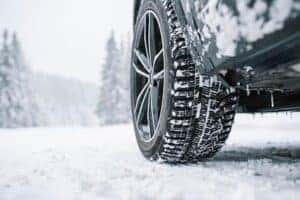
One of the most critical aspects of safe winter driving is having the right tires for the conditions. Tires are your vehicle’s only contact with the road, and in snowy or icy conditions, traction becomes limited. This makes it important to ensure your tires are suitable for winter driving.
- Winter Tires vs. All-Season Tires: While all-season tires offer adequate performance in most conditions, they are not ideal for severe winter weather. Winter tires, designed with softer rubber compounds and deeper treads, provide significantly better grip on icy and snowy roads. If you live in an area that regularly experiences heavy snowfall or freezing rain, investing in winter tires could greatly enhance your vehicle’s handling and safety.
If you’re unsure about which tires are best for your Hyundai, the experts at Edwards Hyundai can guide you through your options. Schedule your Hyundai service in Council Bluffs, IA to ensure your tires are in top condition for winter driving.
- Tread Depth: Even if you don’t opt for snow tires, it’s essential to regularly check the tread depth of your tires. A minimum tread depth of 6/32 of an inch is recommended for safe driving in winter conditions. Tires with worn tread won’t provide adequate traction, increasing the likelihood of skidding or losing control on icy surfaces.
Maintaining your tires is one of the most effective ways to ensure a safe ride in winter conditions. Check tire pressure regularly, as cold temperatures can cause air pressure to drop, and make sure your tires are in good condition before hitting the road.
2. Adjust Braking Distance
Winter roads can be unpredictable due to ice, snow, or slush, making it harder for your vehicle to stop quickly. This makes braking distance – the distance your car travels after you apply the brakes – much longer in winter conditions.
- Increase Following Distance: The general rule of thumb in normal driving conditions is to maintain a following distance of about three to four seconds behind the car in front of you. In winter, double or even triple that distance. This will give you more time to react if the vehicle ahead of you stops suddenly.
- Gentle Braking: Slamming on the brakes on icy roads can cause your wheels to lock up, leading to a skid. Instead, brake gently and early. If your car has anti-lock brakes (ABS), they will automatically pump the brakes to help you maintain control. If not, pump the brakes yourself to avoid skidding.
- Slow Down Gradually: When approaching intersections, turns, or any potential hazard, begin slowing down well in advance. Sudden stops or sharp turns can cause you to lose control, especially on slick surfaces.
By being mindful of your braking habits and keeping extra distance between yourself and other vehicles, you reduce the risk of accidents in winter conditions.
3. Maintain Clear Visibility
Proper visibility is crucial when driving in winter conditions. Snow, fog, and ice can significantly reduce your ability to see the road ahead, as well as other drivers, pedestrians, and hazards.
- Clear Snow and Ice: Before you start driving, ensure all snow and ice are removed from your windows, mirrors, headlights, and taillights. Driving with obstructed visibility is not only dangerous but also illegal in many places.
- Use Winter Washer Fluid: Ordinary windshield washer fluid may freeze in cold temperatures, rendering it useless when you need it most. Opt for washer fluid specifically designed for freezing temperatures, which will help keep your windshield clean and prevent streaks and ice buildup.
- Check Wipers: Worn-out wipers can leave streaks or fail to clear the windshield effectively. Replace your wiper blades if they are old, cracked, or damaged, and consider switching to winter wipers that are better suited for icy conditions.
If you need help with replacing wipers or other maintenance tasks, you can take advantage of same day service appointments at Edwards Hyundai in Council Bluffs, IA, to keep your vehicle safe and prepared for the season.

4. Stay on Top of Vehicle Maintenance
Cold weather can take a toll on your vehicle, making routine maintenance even more important during the winter months. A properly maintained car is far less likely to break down or experience malfunctions in dangerous conditions.
- Check Brakes: Your braking system is vital in winter driving. Have your brakes inspected to ensure they are in good working order, as braking on icy roads requires optimal performance.
- Inspect Battery Health: Cold temperatures can drain your battery more quickly. If your battery is old or weak, it may not have enough power to start yourvehicle in freezing conditions. Have your battery checked before winter arrives, and replace it if necessary.
- Monitor Fluids: In cold weather, fluids such as oil, antifreeze, and brake fluid become thicker, which can affect your vehicle’s performance. Make sure all fluids are at appropriate levels, and consider switching to winter-grade oils if you live in an extremely cold region.
- Heating System: A functional heating system is essential for both comfort and safety. Ensure your heater and defroster are working correctly to prevent fogging or icing on your windshield.
For expert help with winter vehicle maintenance, visit Edwards Hyundai for Hyundai service in Council Bluffs, IA. They offer convenient, same day service appointments, ensuring your car is winter-ready without the hassle of long waits.
5. Pack an Emergency Kit
Winter conditions can be unpredictable, and breakdowns or delays are more likely in snowstorms or icy conditions. Being prepared with an emergency kit can make a significant difference if you find yourself stranded.
- Essentials: Your winter emergency kit should include a blanket, flashlight, extra warm clothing, non-perishable snacks, a first-aid kit, and a small shovel. These items will keep you warm and safe while you wait for assistance.
- Jumper Cables: Cold weather can cause car batteries to die unexpectedly. Carry a set of jumper cables to help restart your car or assist another stranded driver.
- Mobile Phone Charger: In the event of an emergency, having a way to charge your phone is crucial. Carry a portable charger or car adapter to ensure you can contact roadside assistance or emergency services if needed.
Final Thoughts
Driving in winter conditions requires extra caution and preparation. From ensuring proper tire traction and adjusting braking distance to maintaining clear visibility and preparing for emergencies, following these tips can help you stay safe during the colder months. Always check weather forecasts before heading out, and if conditions are severe, consider delaying your trip until it’s safer to drive.
For drivers in Council Bluffs, IA, make sure to visit Edwards Hyundai for expert winter maintenance and same day service appointments to keep your vehicle performing optimally during winter. Prioritizing safety will not only help you avoid accidents but also make your winter driving experience more manageable and less stressful.
In the event of an emergency, having a way to charge your phone is crucial. Carry a portable charger or car adapter to ensure you can contact roadside assistance or emergency services if needed.
Being prepared for emergencies will provide peace of mind and keep you safe if conditions worsen while you’re on the road.